


Trauma and Nervous System Effects: Understanding the Deep Connection

When trauma strikes, it doesn’t just leave emotional scars. It reaches deep inside, affecting the very core of our being - the nervous system. I want to share with you what I’ve learned about how trauma shapes our nervous system and what that means for healing. It’s a journey, and knowing what’s happening inside your body can be a powerful step toward reclaiming your life.
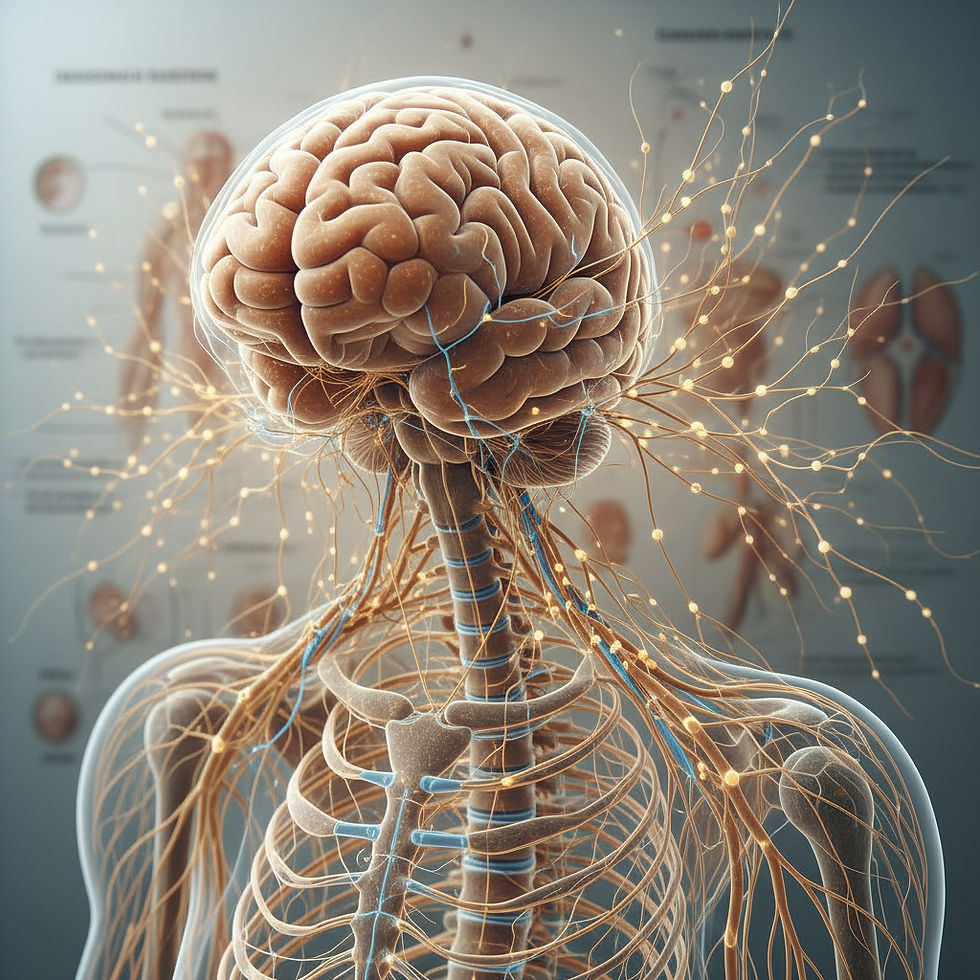
Trauma and Nervous System Effects: What Happens Inside?
Trauma, especially from sexual assault, can feel like your body is stuck in a state of alarm. That’s because trauma triggers the nervous system in ways that can last long after the event itself. Our nervous system is made up of two main parts: the central nervous system (brain and spinal cord) and the peripheral nervous system (all the nerves outside the brain and spinal cord). Together, they control everything from how we move to how we feel.
When trauma happens, the nervous system goes into survival mode. The sympathetic nervous system activates the fight, flight, or freeze response. This is your body’s way of protecting you. But when trauma is severe or prolonged, this system can get stuck in overdrive. You might feel anxious, hypervigilant, or disconnected from your body. The parasympathetic nervous system, which helps us relax and recover, can become underactive.
This imbalance can cause symptoms like:
Difficulty sleeping or nightmares
Heightened startle responses
Emotional numbness or dissociation
Chronic pain or tension
Difficulty concentrating
Understanding this helps us see that these reactions are not “just in your head” or signs of weakness. They are your nervous system’s way of trying to keep you safe.
How Trauma Changes the Brain and Body
Trauma doesn’t just affect how you feel; it physically changes your brain. The amygdala, which processes fear, can become overactive. The hippocampus, responsible for memory and learning, may shrink. The prefrontal cortex, which helps with decision-making and self-control, can become less active. These changes explain why trauma survivors often struggle with memory, emotional regulation, and feeling safe.
The nervous system’s wiring shifts to prioritize survival over growth or connection. This means that even when the danger is gone, your body might still react as if it’s there. This is why triggers can feel so intense and why healing can feel like an uphill battle.
But here’s the hopeful part: the brain is plastic. That means it can change and heal. Understanding trauma's impact on nervous system is the first step toward recovery.
How to Rewire the Nervous System After Trauma?
Healing from trauma means helping your nervous system find balance again. This is not about forcing yourself to “get over it” but gently guiding your body and mind back to safety and connection. Here are some ways to start rewiring your nervous system:
Mindful Breathing
Slow, deep breaths activate the parasympathetic nervous system. Try breathing in for 4 seconds, holding for 4, and exhaling for 6. This simple practice can calm your body in moments of distress.
Grounding Techniques
When you feel overwhelmed, grounding helps bring you back to the present. Focus on what you can see, hear, touch, smell, and taste. Naming these senses anchors you in reality.
Movement and Exercise
Gentle movement like yoga, walking, or stretching helps release tension stored in the body. It also signals to your nervous system that you are safe.
Therapeutic Support
Working with trauma-informed therapists who understand the nervous system can provide tools and support tailored to your needs.
Safe Relationships
Connection with trusted people helps rebuild your sense of safety and belonging. Social support is a powerful healer.
Somatic Practices
These focus on body awareness and include techniques like somatic experiencing or sensorimotor psychotherapy. They help you notice and release trauma held in the body.
Remember, healing is not linear. Some days will feel better than others, and that’s okay. Be patient and kind to yourself.
Why Understanding Your Nervous System Empowers Healing
When I first learned about how trauma affects the nervous system, it was like a light bulb went off. Suddenly, my reactions made sense. I wasn’t broken or weak; my body was trying to protect me in the only way it knew how. This understanding gave me compassion for myself and hope for healing.
Knowing about your nervous system can help you:
Recognize that your symptoms are normal responses to trauma
Choose healing practices that support your nervous system
Communicate your needs to therapists and loved ones
Feel empowered in your healing journey
You are not alone in this. Your nervous system is resilient, and with the right support, it can find balance again.
Embracing a Holistic Approach to Healing
Healing trauma is about more than just managing symptoms. It’s about reclaiming your whole self - body, mind, and spirit. A holistic approach honors all parts of you and supports your nervous system in a gentle, comprehensive way.
Some additional practices to consider include:
Nutrition: Eating nourishing foods supports brain health and energy.
Sleep hygiene: Prioritize restful sleep to help your nervous system reset.
Creative expression: Art, music, or writing can help process emotions.
Nature connection: Spending time outdoors calms the nervous system and restores peace.
Each step you take is a victory. Healing is possible, and you deserve to feel whole again.
If you want to dive deeper into how trauma shapes your body and mind, exploring trauma's impact on nervous system can be a valuable resource. Remember, your journey is unique, and every step forward is a testament to your strength.
You are still whole. You are still here. And healing is within reach.


Comments